Mahabharat: An Enduring Legacy, A Timeless Epic
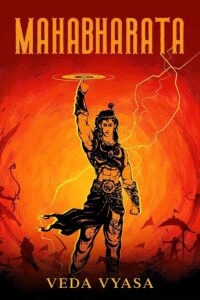
Emerging from the depths of ancient India, the Mahabharat stands as a towering monument of epic literature, a grand narrative that has captivated and inspired generations. Its intricate tapestry weaves together tales of heroism, betrayal, love, loss, and the profound complexities of human nature.
The Mahabharat’s origins trace back to the Vedic period of Indian history, approximately between the 12th and 8th centuries BCE. The epic is believed to have undergone a long and gradual process of composition, absorbing and incorporating various oral traditions and literary works over centuries.
Traditionally attributed to the sage Vyasa, the “Vyasa Mahabharat” is considered the primary and authoritative version.
However, over the centuries, various scholars and poets have composed their own versions, commentaries, or retellings of the Mahabharat, bringing their interpretations and nuances to the narrative.
Length and Structure
The Mahabharat attributed to Vyasa is considered the longest Sanskrit epic, comprising about 100,000 shlokas (verses) organized into 18 parvas (books). This vast expanse of text encompasses a multitude of stories, philosophical discourses, and didactic teachings, making it a veritable encyclopedia of Indian culture and thought.
Other versions, such as the Jain Mahabharat and the Tamil Mahabharat, are significantly shorter, typically containing around 25,000 shlokas. Additionally, these versions often rearrange or omit certain parvas from Vyasa’s Mahabharat.
Interpolations and Additions
The Mahabharat’s long and complex history of transmission has resulted in the accumulation of numerous interpolations and additions. It has undergone numerous interpolations and additions over time, incorporating stories, teachings, and philosophical discussions from various sources. While some of these interpolations are present in Vyasa’s Mahabharat, others are more prevalent in later versions. These extraneous elements, ranging from mythological narratives to philosophical treatises, have enriched the epic’s diversity but also posed challenges in determining the original text.
Various Editions: A Journey through Texts
The Mahabharat exists in numerous recensions (revised versions) and editions, each reflecting the cultural and linguistic influences of its region and era. Among the most prominent are the Southern Recension, prevalent in South India, and the Northern Recension, found in North India and Kashmir. These recensions exhibit variations in text arrangement, content, and language. Among various recensions, translations, and retellings, here are some notable versions:
- Critical Edition (CE): The Bhandarkar Oriental Research Institute in Pune, India, produced the Critical Edition of Mahabharat in the early to mid-20th century. This version attempts to present a standardized and comprehensive text based on the examination of numerous manuscripts. The CE is considered an authoritative scholarly edition.
- Regional Versions: Mahabharat has been retold and adapted in various regional languages across India. Each region may have its own linguistic and cultural nuances, resulting in diverse interpretations of the epic.
- Translations: Several scholars have translated Mahabharat into different languages, making it accessible to a global audience. Notable translations include those by Kisari Mohan Ganguli’s English translation (1884-1896), J.A.B. van Buitenen’s English translation (1973-1981), K.M. Gangaraju’s English translation with inclusion of the CE text (2013-2014) and Bibek Debroy’s English translation (2010-2017)
- Modern Retellings: Many authors have written modern adaptations and retellings of the Mahabharat, presenting the ancient narrative in contemporary language and context. Authors like Devdutt Pattanaik, Carole Satyamurti, Arvind Adiga, Ramesh K. Srivastava and Chitra Banerjee Divakaruni have offered their interpretations.
- Television and Film Adaptations: The Mahabharat has been adapted into numerous television series and films, both in India and internationally. These adaptations often take creative liberties with the source material.
- Performing Arts: The epic has been a source of inspiration for various performing arts, including traditional Indian dance and theatre forms. These performances contribute to the living tradition of the Mahabharat.
A Timeless Epic
The Mahabharat’s enduring appeal lies in its profound exploration of human emotions, its timeless themes of dharma (righteousness), karma (action and its consequences), and the quest for moksha (liberation). Its characters, from the noble Arjuna to the cunning Duryodhana, embody the multifaceted nature of human existence, their struggles and triumphs resonating with readers across cultures and generations.
The Mahabharat is not merely a story; it is a mirror reflecting the depths of human experience, a repository of wisdom, and a testament to the power of storytelling. Its enduring legacy continues to inspire, challenge, and shape our understanding of the human condition.